
Understanding Dry Rot and Its Impact
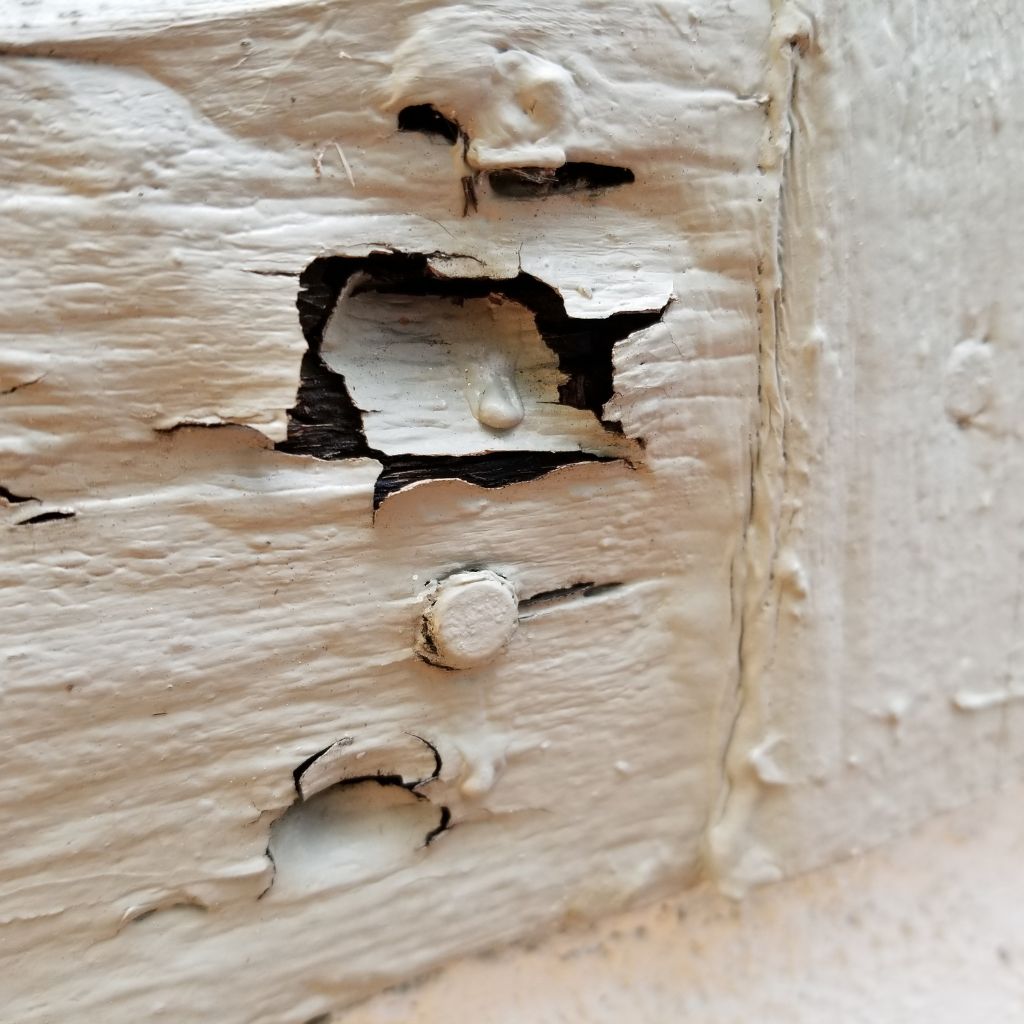
Dry rot is a destructive form of wood deterioration caused by fungal growth in the presence of moisture. Despite its misleading name, this condition requires damp environments to develop and spread. The fungus feeds on wood fibers, gradually breaking down structural integrity and creating serious stability concerns over time.
This type of damage typically develops in concealed areas that are difficult to inspect regularly, such as roof decking, rafter systems, eave sections, and fascia boards. Without professional intervention, dry rot can compromise your building’s structural soundness and lead to extensive repair needs. Don’t let hidden deterioration reduce your property value or safety. Contact RG Roofing today for a complimentary inspection and estimate.
Recognizing the Warning Signs of Dry Rot
Dry rot often progresses silently in hidden spaces before becoming obvious. Stay alert for these indicators that may signal deterioration in your roofing system:
- Wood that feels spongy, crumbles easily, or shows deep fractures
- Earthy or mildew like odors, especially in enclosed spaces
- Darkened patches or visible fungal formations on wooden surfaces
- Roof sections that appear to dip, rise unnaturally, or lose their original shape
- Deterioration visible near chimney flashings, eave overhangs, or roof valleys
If you’re seeing any of these red flags, schedule a professional roof inspection with RG Roofing right away. Early detection makes all the difference in treatment costs and effectiveness.
Effective Dry Rot Prevention Strategies
The most effective approach to dry rot is preventing it from developing in the first place. Through regular inspections and consistent maintenance practices, you can maintain a dry, structurally sound roof for decades. RG Roofing recommends these protective measures:
- Maintain a weather tight roof surface – Routinely examine your roofing materials for compromised shingles, deteriorated flashing, or exposed wood substrates. Any of these vulnerabilities can allow moisture penetration.
- Ensure proper gutter function – When drainage systems become obstructed, water backs up onto roofing surfaces and creates ideal conditions for wood decay. Stay current with your gutter maintenance schedule.
- Optimize attic air circulation – Adequate ventilation regulates moisture levels within your roof structure. Without proper airflow, condensation accumulates and creates environments where fungal growth thrives.
- Monitor vulnerable zones annually – Eave areas, ventilation points, and valley sections naturally accumulate moisture and represent the most common starting points for rot damage. Regular attention to these spots pays dividends.
Taking a preventive approach saves substantial money compared to addressing advanced deterioration. Identifying minor concerns early keeps your property protected and avoids emergency repair situations.
How Sacramento's Weather Contributes to Dry Rot
Sacramento’s distinctive climate creates particular challenges for roof longevity. The dramatic swings between scorching summer temperatures and wet winter conditions place unusual demands on roofing materials. These temperature fluctuations cause wood components to repeatedly expand and contract, eventually creating tiny openings where moisture can infiltrate.
Water intrusion isn’t the only concern. Inadequate attic ventilation, neglected gutter systems, and heat retention from seasonal wildfire smoke all contribute to gradual moisture accumulation, establishing perfect conditions for fungal colonization.
This is why RG Roofing emphasizes the importance of routine roof evaluations. Following storm events, after extended drought periods, or whenever smoke and airborne debris have been present, a thorough inspection can identify developing problems before they become expensive emergencies. Regular checkups are your best insurance against hidden deterioration.
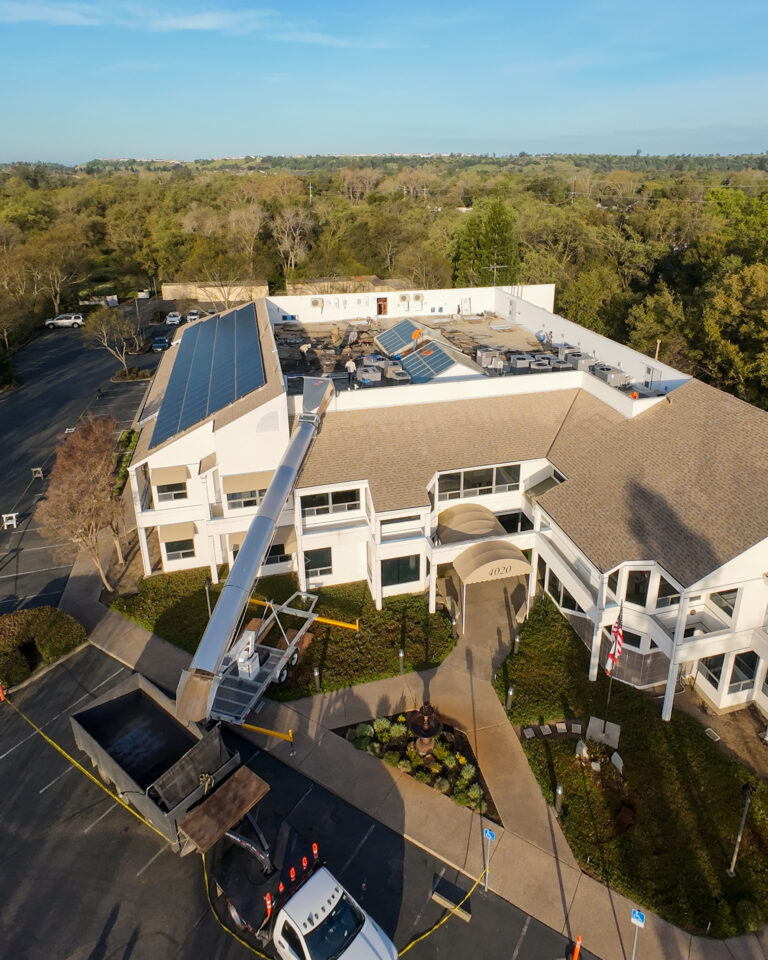
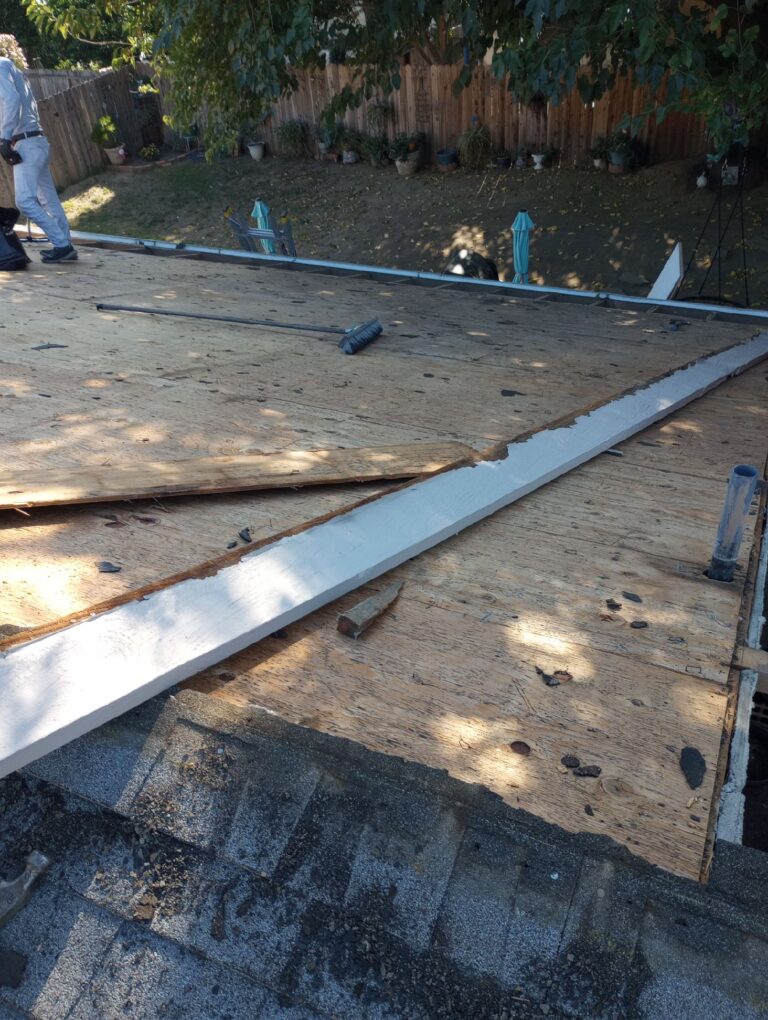
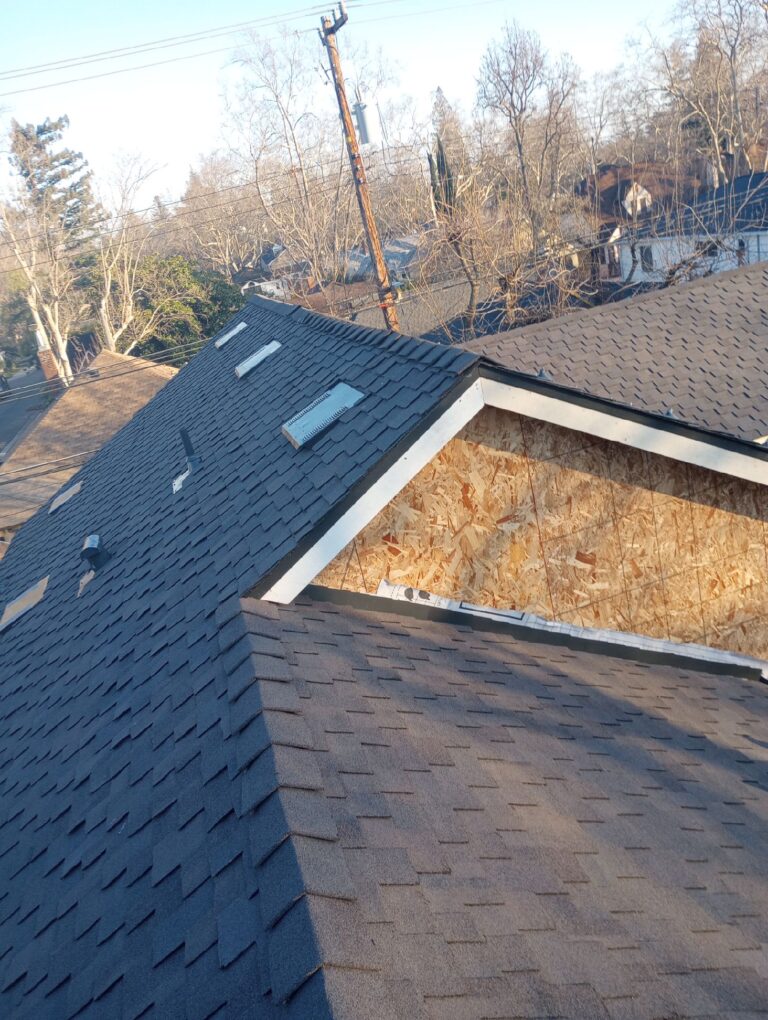
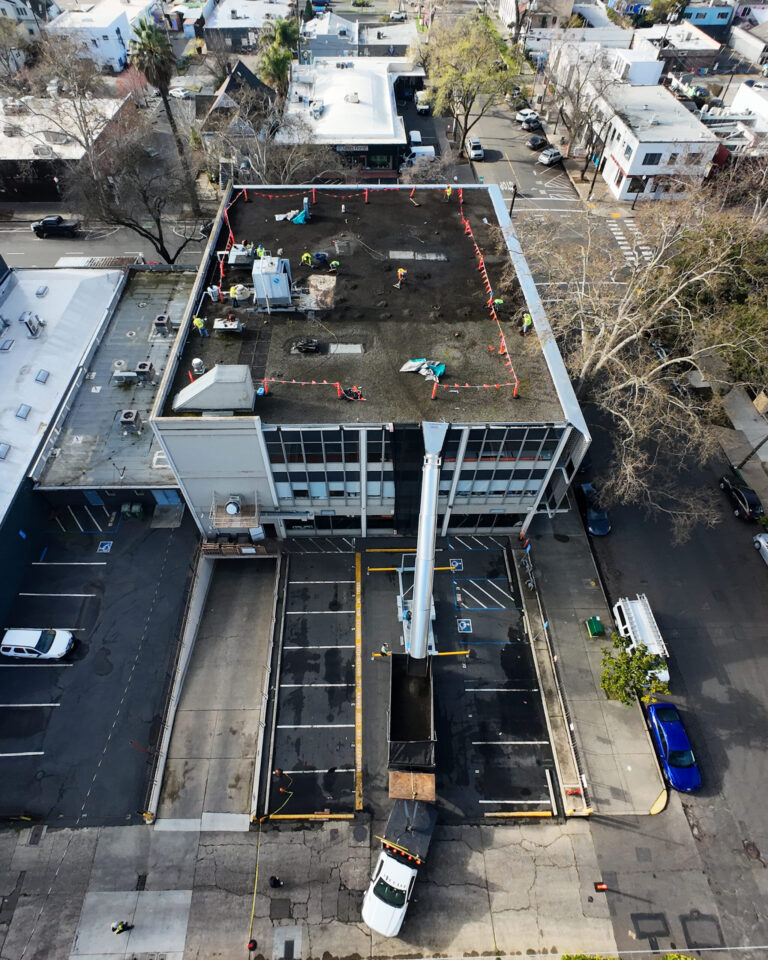
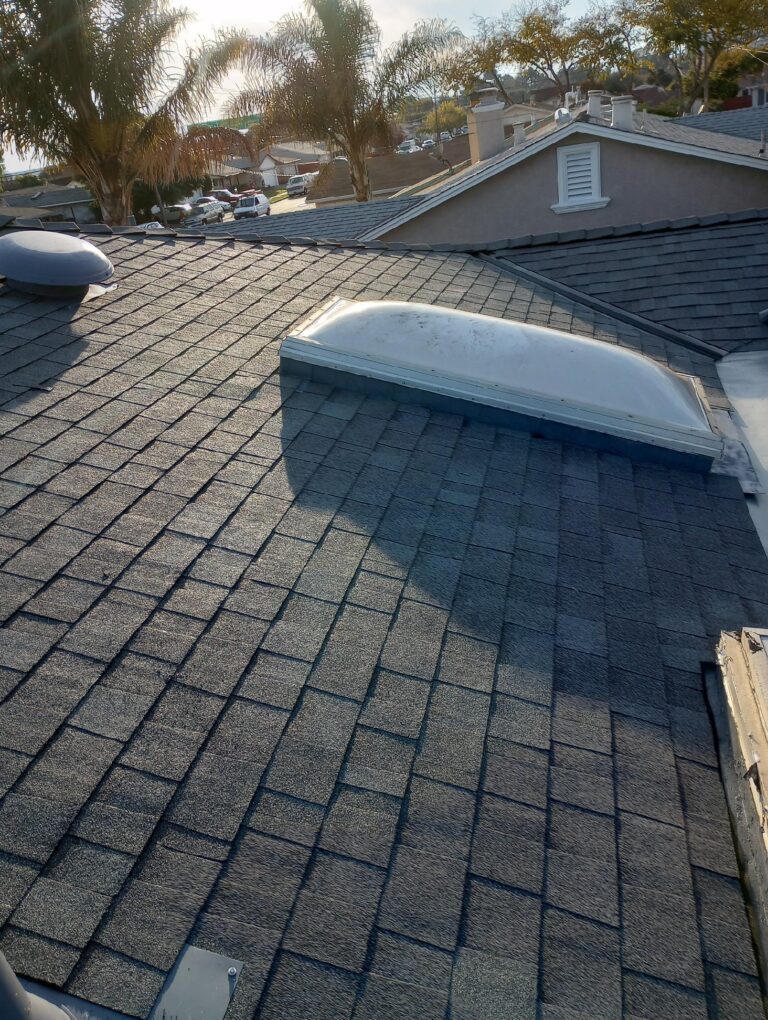
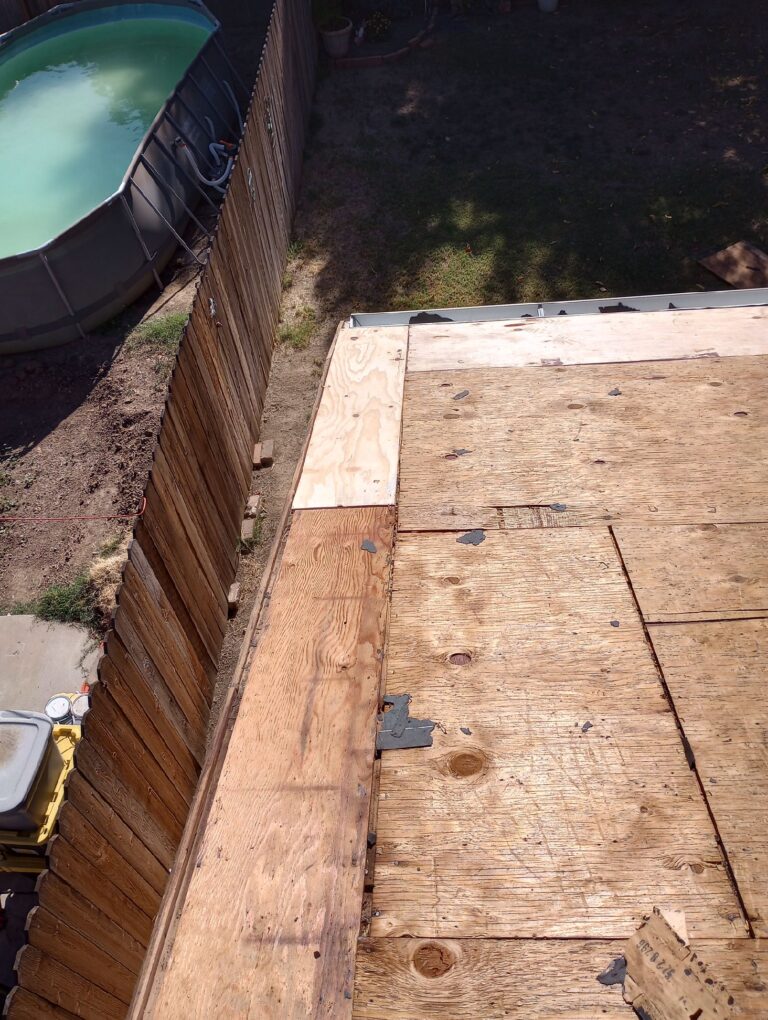
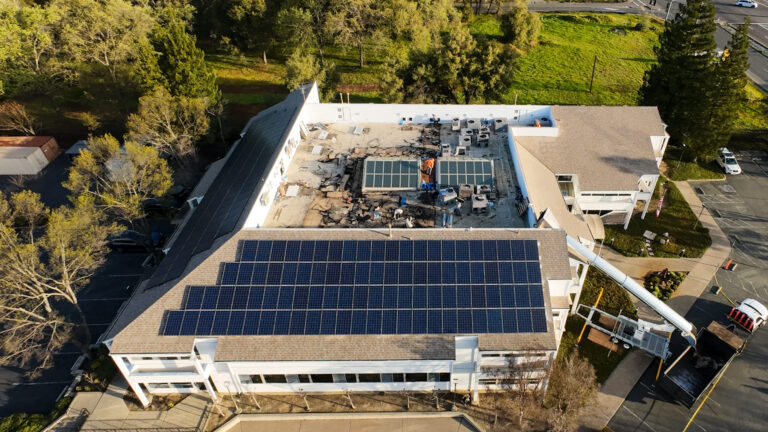
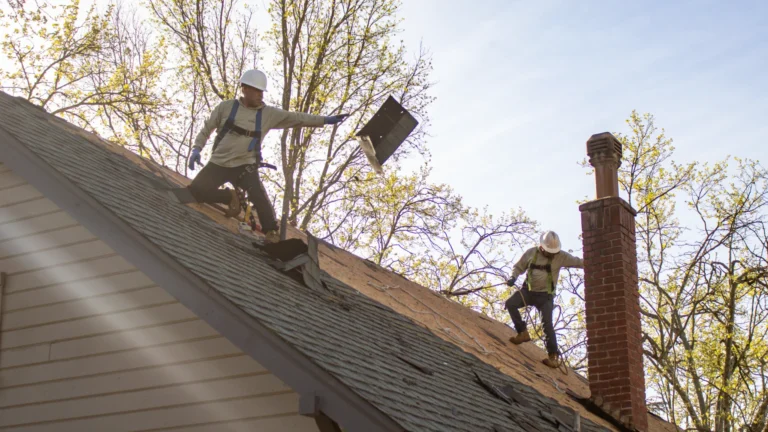
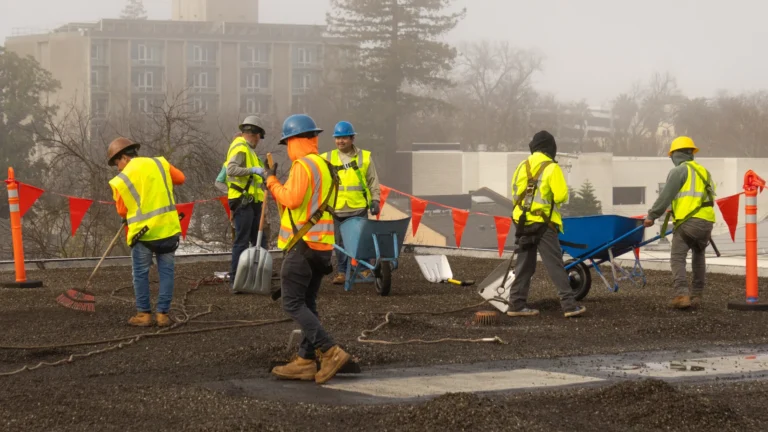
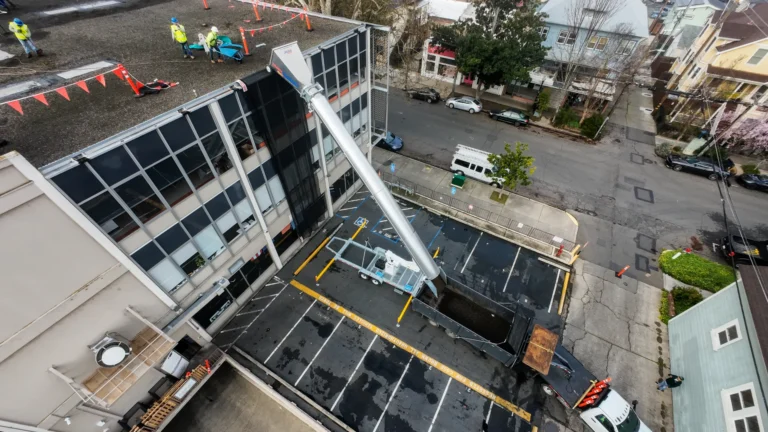
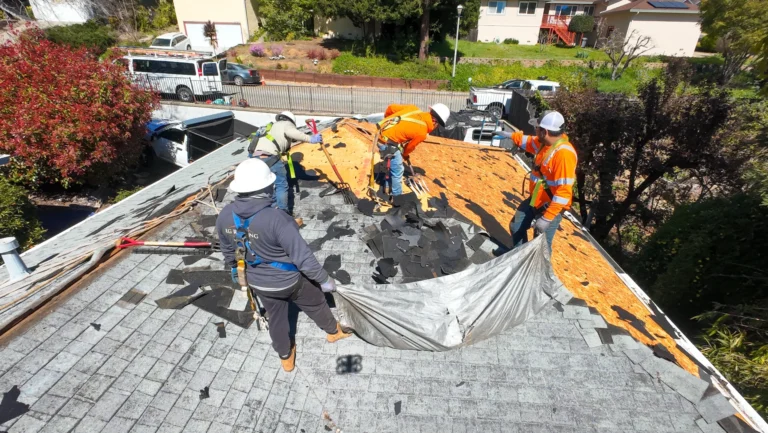
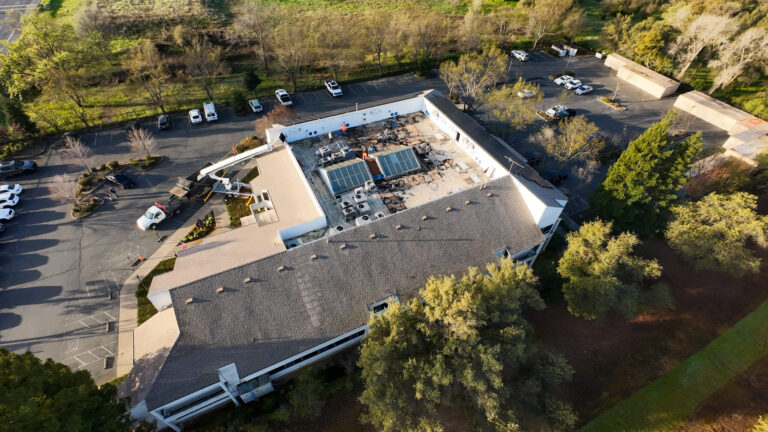
Check Out Some Of Our Work
Dry Rot FAQs
What exactly is dry rot, and how is it different from regular wood rot?
Dry rot is a type of fungal decay that damages wood by breaking down its structure from the inside out. Unlike wet rot, which needs constant moisture, dry rot can spread even when the wood isn’t soaking wet, making it harder to spot and more dangerous to your roof and home’s framing.
How can I tell if my roof has dry rot?
Look for soft, crumbly, or discolored wood around the edges of your roof, especially near the eaves, rafter tails, or fascia boards. You might also notice a musty smell, cracked wood, or mold growth. If anything looks off, it’s best to call for an inspection.
What causes dry rot to start in the first place?
Excess moisture is the root cause. That can come from leaky roofs, blocked gutters, poor attic ventilation, or just the natural weather cycles in California. Once the fungus starts growing, it spreads fast, especially in warm, humid areas.
How much does dry rot repair cost?
Costs vary depending on how much damage there is. Minor repairs might run a few hundred dollars, while more extensive rot can climb into the thousands, especially if structural parts of the roof need replacing. The sooner it’s caught, the cheaper it is to fix.
Do I need a professional, or can I fix dry rot myself?
Dry rot isn’t just a surface issue. It spreads inside the wood. While small repairs might seem doable, it’s easy to miss hidden damage. A professional has the tools and experience to fully remove the rot, treat the area, and replace wood safely and properly.
Contact Us
Fill Out The Form Below And We Will Be Reaching Out To You Immediately.